

Post-incident mitigation involves taking deliberate actions after an emergency or disaster to reduce future risks, enhance resilience, and prevent recurrence. Unlike immediate response, which focuses on addressing the crisis at hand, post-incident mitigation aims to learn from the event and implement strategies that fortify systems, policies, and communities against similar threats in the future.

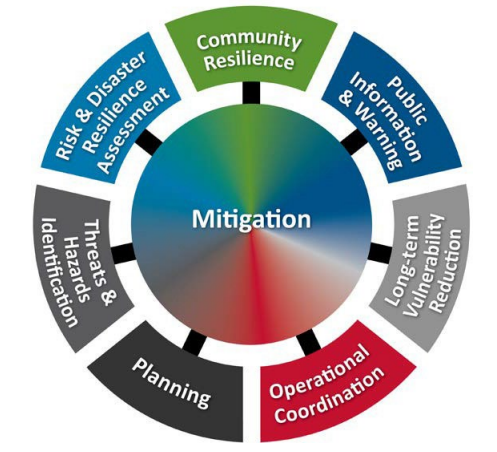
The Role of Mitigation in the Emergency Management Cycle
According to FEMA, mitigation is a continuous effort that spans across the emergency management cycle, which includes:
Preparedness: Developing plans and training before an incident occurs.
Response: Addressing the immediate effects of the incident.
Recovery: Restoring systems and services to normal.
Mitigation: Implementing measures to prevent or lessen the impact of future incidents.
Mitigation can be implemented at any stage, but post-incident is a critical phase where lessons learned are applied to reduce vulnerabilities and strengthen resilience.
Key Strategies for Post-Incident Mitigation
Conduct Thorough Post-Mortem Analysis
Conducting a thorough post-mortem analysis is essential to understand the root causes of an incident or failure.
Update Policies and Procedures
Regularly updating policies and procedures ensures they remain relevant and effective. It incorporates lessons learned from past experiences and changing regulations.
Enhance Training and Awareness
Strengthening training programs raises employee knowledge and preparedness for potential risks. Increased awareness fosters a proactive culture that helps prevent incidents before they occur.
Invest in Infrastructure Improvements
Upgrading infrastructure enhances system reliability and reduces vulnerability to failures. Strategic investments ensure long-term resilience and support business continuity.